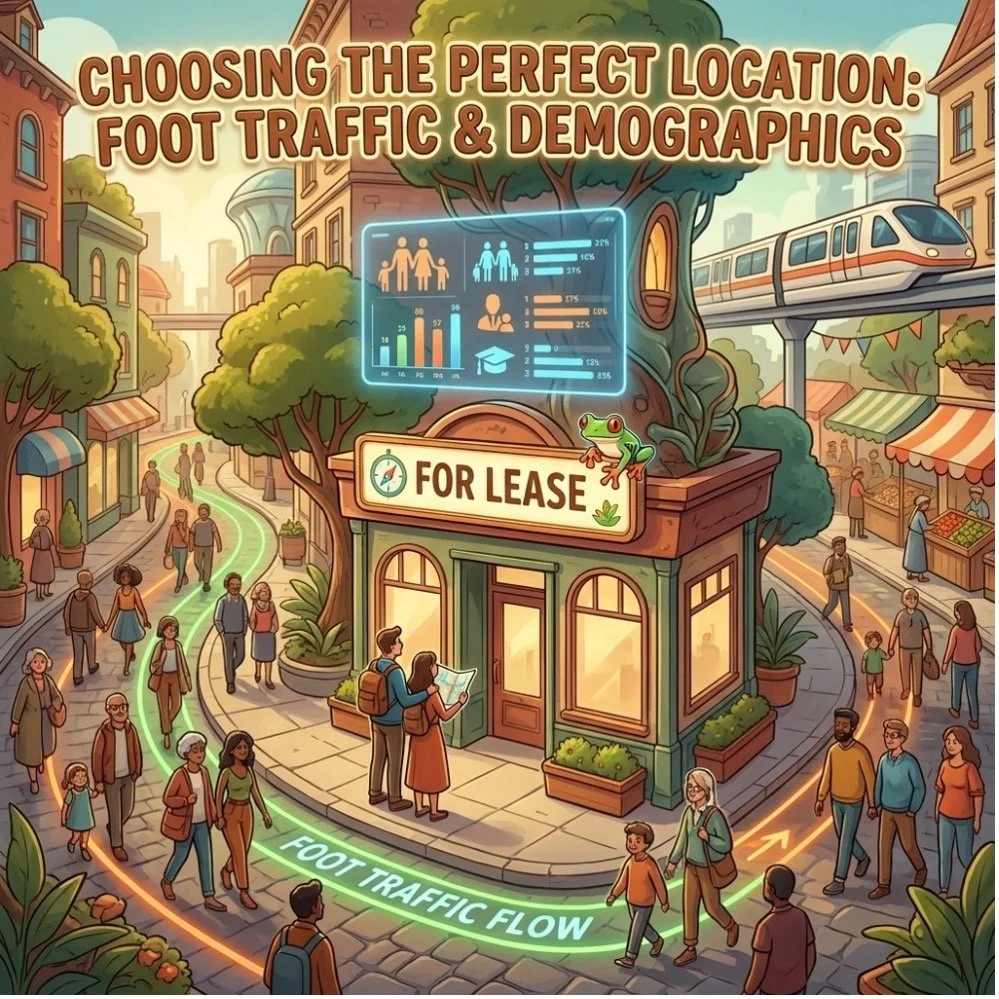
Choosing the Perfect Location: Foot Traffic & Demographics
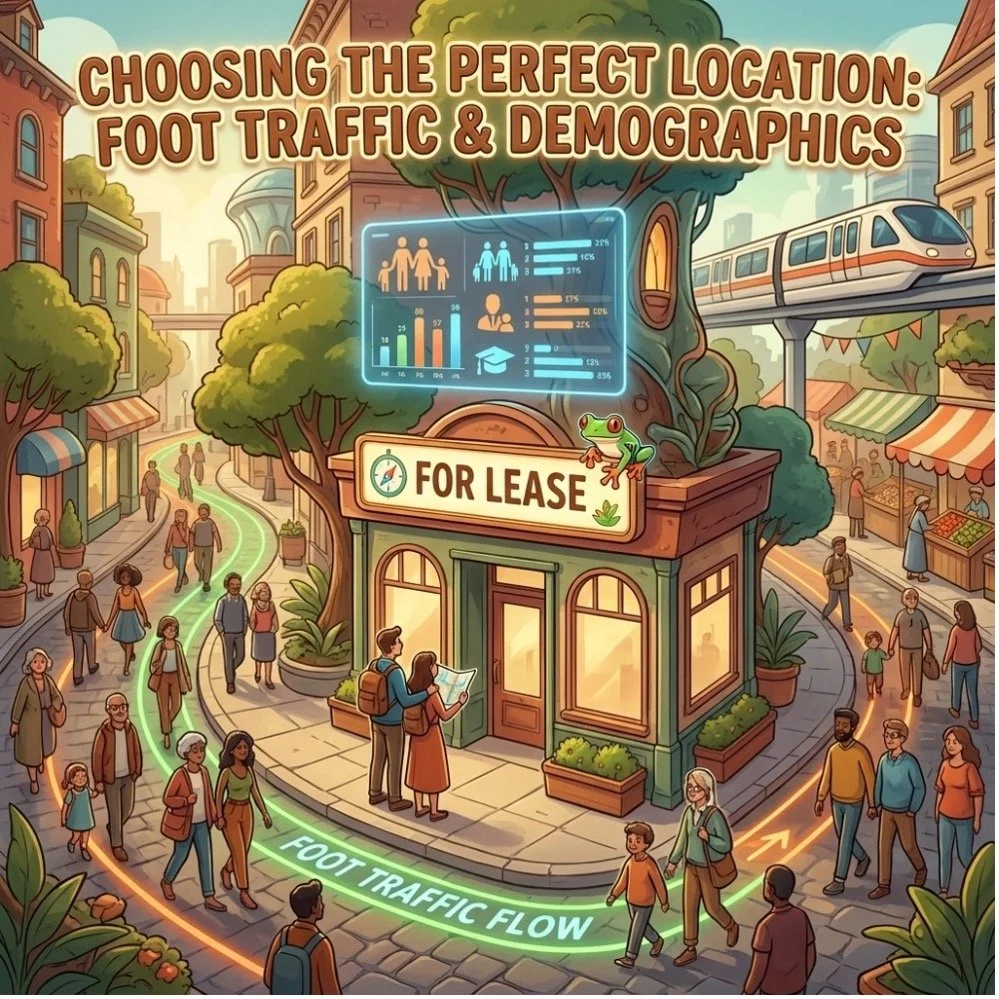
Let's get straight to the point: Location is everything in vending.
You could have the most gorgeous, high-tech machine filled with the perfect product mix, but if it's sitting in a corner where tumbleweeds roll by, you're not running a business: you're running a very expensive storage unit.
At Pura Vida Air, we've learned this lesson the hard way (and the easy way, thankfully). We've seen machines absolutelycrush itin modest office breakrooms and watched others gather dust in what looked like prime real estate. The difference? Understanding that successful vending isn't just about foot traffic : it's about the right foot traffic with the right demographics at the right time.
Why Demographics Matter More Than You Think
Here's where most new operators get it wrong: they see a busy location and think "jackpot!" But busy doesn't always mean profitable.
Demographics tell the real story. Who are these people walking by? What are their spending habits? When do they have money to spend on snacks? Are they rushed, relaxed, hungry, health-conscious, or just looking for a caffeine fix?
We once placed a machine loaded with energy drinks and protein bars in what seemed like a goldmine : a bustling medical office complex. Tons of foot traffic, right? Wrong audience. The demographic was predominantly elderly patients moving slowly through appointments, not gym-goers looking for post-workout fuel.
Lesson learned: Traffic volume without demographic alignment equals expensive mistakes.
The Four Location Categories That Actually Work
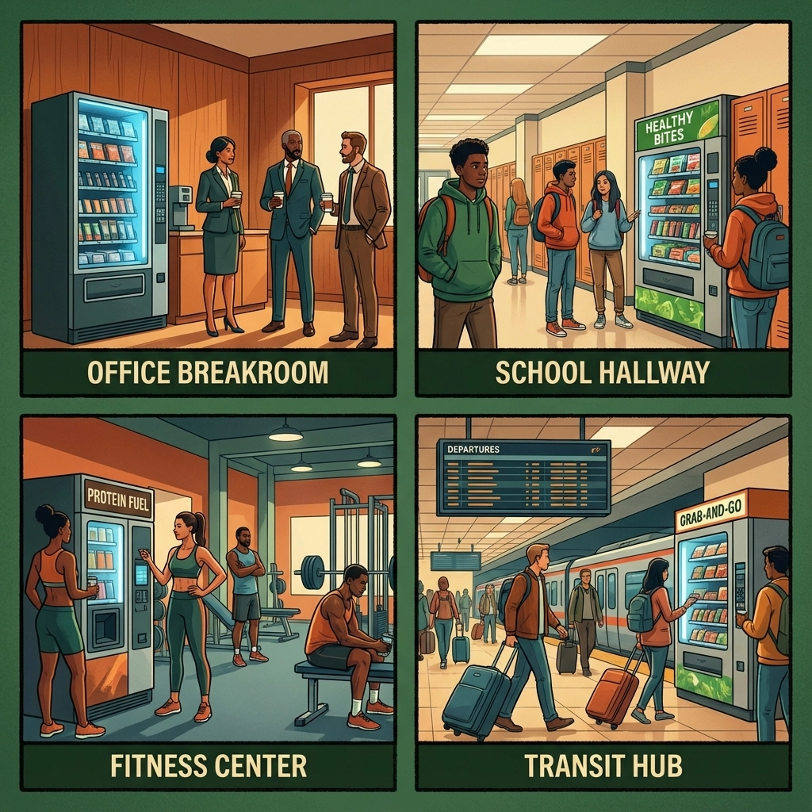
1. Office Buildings: The Vending Sweet Spot
Offices are vending gold when you nail the formula. You've got:
Predictable traffic patterns (morning rush, lunch break, afternoon slump)
Captive audience with limited food options
Consistent demographics (working professionals with disposable income)
Repeat customers who visit the same machine daily
Pro scouting tip: Visit during different times of day. That "busy" office might be a ghost town after 5 PM, but if the 9-to-5 crowd is solid, you've got a winner.
2. Schools: High Volume, Specific Needs
Educational institutions can be incredibly lucrative, but the demographic demands are very specific:
Students want affordable options (think $1-2 range)
Quick grab-and-go items between classes
Healthier options are often mandated
Seasonal patterns (dead during summer break)
Reality check: A candy-heavy machine might flop due to wellness policies, but a machine stocked with granola bars, water, and healthier snacks could become the campus hero.
3. Gyms and Fitness Centers: Match the Mission
Here's where product-location alignment becomes crystal clear. A gym full of fitness enthusiasts is fantastic foot traffic : if your machine serves their needs.
What works:
Protein bars and shakes
Sports drinks and water
Healthy snacks
Recovery supplements
What doesn't:
Candy bars
Sugary sodas
Heavy meals
We learned this when our standard snack machine sat virtually untouched in a CrossFit gym for months. The traffic was there, but the product-demographic mismatch was killing us.
4. Transit Hubs: Grab-and-Go Goldmines
Bus stations, train platforms, airports (if you can get in) : these locations serve people in motion who need quick solutions:
High urgency purchasing (delayed flight = hungry travelers)
Limited alternatives nearby
Diverse demographic with varying needs
Extended operating hours mean revenue potential beyond typical business hours
The Art of Foot Traffic Analysis
Raw numbers lie. That's the first rule of foot traffic evaluation.
What you really need to measure:
Peak Hours Analysis
Don't just count total daily traffic : identify when people are most likely to make impulse purchases. The morning coffee rush hits different than the post-lunch energy dip.
Our method: Spend 15 minutes observing during these key windows:
8-10 AM (morning rush)
11:30 AM-1 PM (lunch period)
2-4 PM (afternoon slump)
After work (varies by location type)
Quality Over Quantity
A hundred stressed commuters rushing to catch trains might generate more sales than 300 leisurely shoppers browsing a mall. Urgency drives vending purchases.
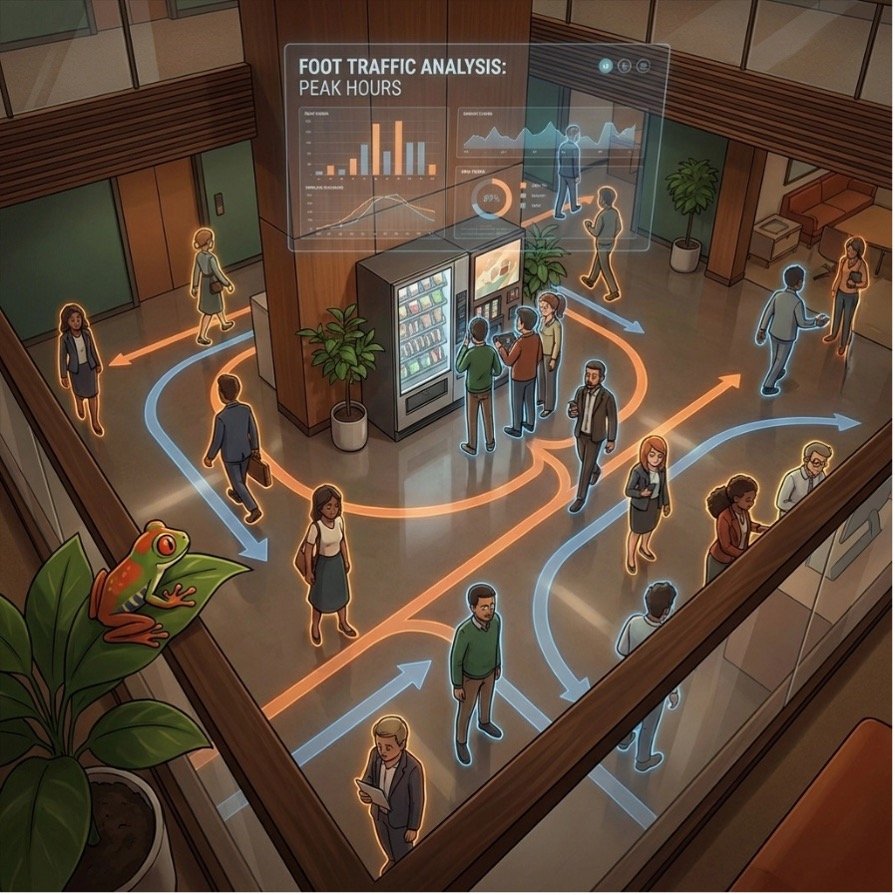
The "Stop and Consider" Test
Watch how people move through the space. Are they:
Pausing naturally near where your machine would go?
Looking around for food/drink options?
Checking their phones (perfect vending moment)?
Gathering in groups (social purchasing behavior)?
If people naturally slow down or congregate in your target spot, that's a green light.
Negotiating Site Access: The Real-World Stuff
Getting permission to place your machine is often harder than finding the perfect spot. Here's how to approach location negotiations without sounding desperate:
Lead with Value, Not Need
Don't say: "I'm starting a vending business and need locations."
Do say: "We provide convenient food and beverage solutions for your employees/customers, with no cost or maintenance required on your end."
Understand Their Pain Points
Offices: Staff complaining about limited food options
Gyms: Members asking for post-workout nutrition
Schools: Need for healthy, affordable student options
Offer Flexibility
Come prepared with different commission structures, product options, and trial periods. Sometimes a 60-day trial with no commitment gets you in the door when a long-term contract won't.
Real-World Examples: When Location Strategy Pays Off
The Breakroom Winner
We placed a standard snack and beverage machine in a small accounting firm's breakroom: maybe 40 employees total. Not exactly massive foot traffic, but the demographics were perfect: working professionals taking regular breaks, limited nearby food options, and a culture that encouraged social gathering around the machine. Monthly revenue? Consistently above our route average.
The Gym Failure (Turned Success)
That CrossFit gym we mentioned? After months of disappointing candy bar sales, we switched to protein bars, electrolyte drinks, and recovery snacks. Same location, same foot traffic, completely different results. The machine went from our worst performer to top five.
The Timing Discovery
We had a machine in a community college that performed terribly: until we realized most students had classes ending at 2 PM, right when we were running low on popular items. Simply adjusting our restocking schedule to ensure full inventory during peak hours doubled our weekly sales.
Red Flags: When to Walk Away
Not every high-traffic location deserves a machine. Watch for these warning signs:
Inconsistent traffic patterns (busy one day, dead the next)
Demographics that don't align with typical vending purchases
Difficult access or placement (hidden corners, hard-to-reach spots)
Competing food options right next door
Unreasonable location demands (excessive commissions, restrictive contracts)
The Bottom Line on Location Success
Great vending locations aren't just found: they're analyzed, understood, and matched perfectly with the right products for the right audience.
Your location checklist:
✓ Consistent, predictable foot traffic during business hours
✓ Demographics that align with your product mix
✓ Limited competing food options nearby
✓ Natural gathering or pause points where people slow down
✓ Reasonable placement terms and commission structure
✓ Accessibility for both customers and service
Remember: A moderate-traffic location with perfect demographic alignment will always outperform a high-traffic spot where your products don't match customer needs.
Ready to start scouting your perfect locations? The best spots are out there waiting: you just need to know how to spot them. Trust the process, watch the patterns, and let the data guide your decisions.
Because when you get location strategy right, everything else becomes so much easier.