Different on Purpose: Why Product Differentiation Is Your Competitive Edge in Vending
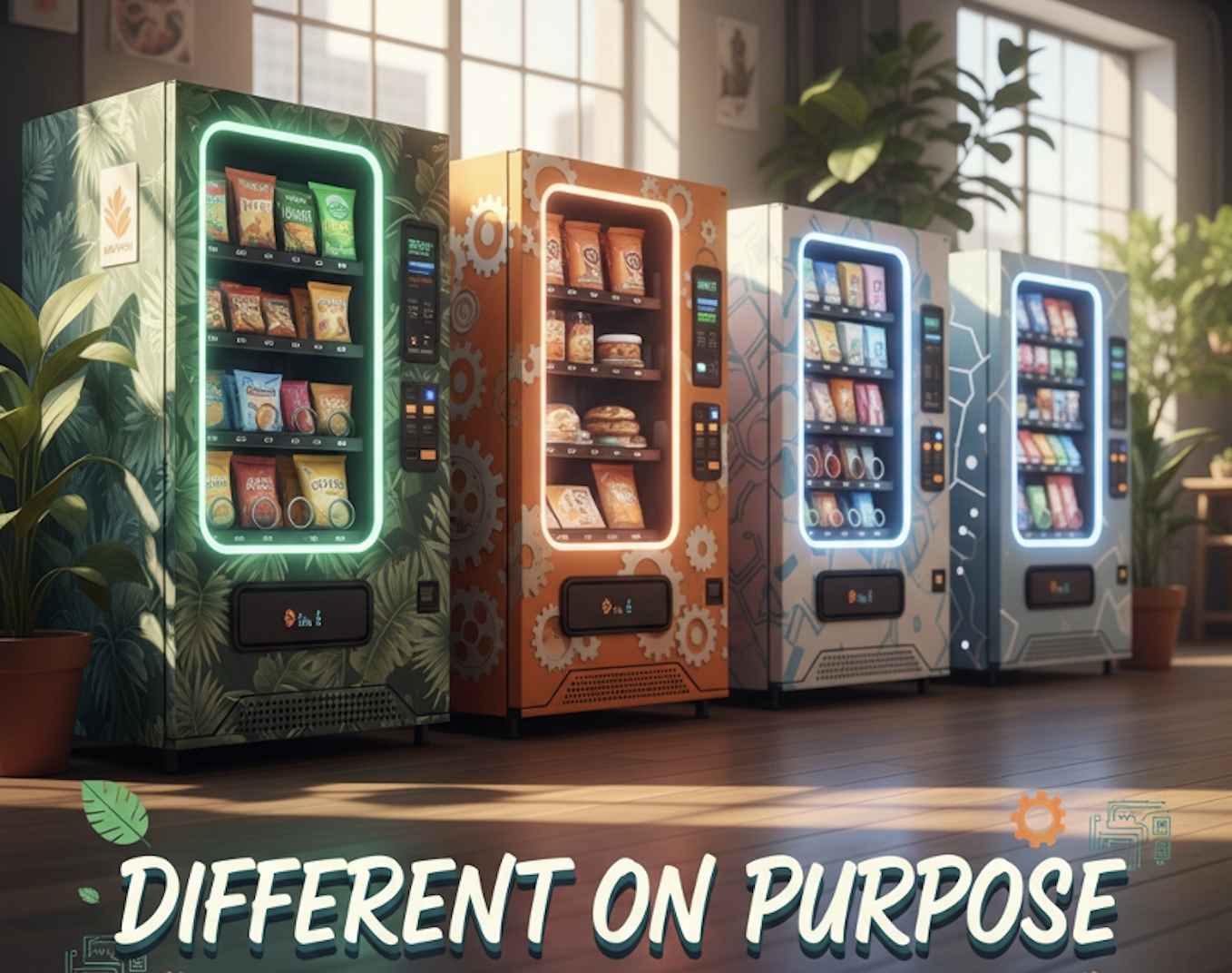
Walk up to most vending machines today, whether in a break room, hospital lobby, gym, or random hallway, and you'll see the same thing: A predictable, stale Costco-style line-up.
Lays. Doritos. Cheez-Its. Snickers. Coke. Monster. The usual suspects. They look like every gas station, every convenience store, every supermarket checkout lane… and yes, every other vending machine. And that sameness is exactly why most machines underperform.
In a world where attention is everything and customers have endless choices, differentiation is key to winning. If your machine looks and feels interchangeable with the next one, you're trapped in a race to the bottom.
Pura Vida Air doesn't play that game: and neither should any operator who wants to grow fast, learn fast, and dominate their markets. Let's break down why differentiation matters and how strategic product architecture turns casual browsers into recurring buyers.
The Problem with the "Costco Clone" Vending Strategy
Traditional vending machines were designed around one idea: selling mainstream products everyone recognizes. That approach used to work.
But customers today want:
Fresh options
Better quality
Functional snacks
Premium beverages
Healthy alternatives
Small indulgences that feel "elevated"
Products they can't get 10 feet away in the same building
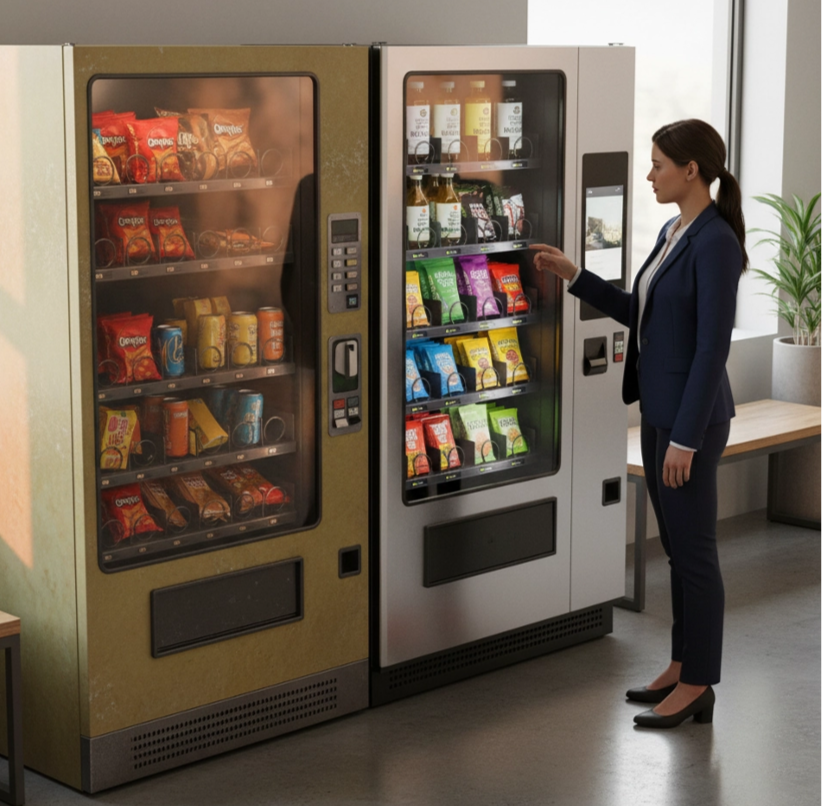
A machine full of Costco bulk snacks sends a loud message: "I didn't think about you."
It's an assortment based on operator convenience: not customer insight.
Here's the brutal truth: your customers are smarter than that. They notice when every machine in their building stocks identical products. And they notice when you're not listening to what they actually want.
The "Costco Clone" strategy fails because it treats vending like a warehouse clearance operation instead of a curated retail experience. You're competing with every other machine, every convenience store, and every break room snack stash all offering the exact same products.
That's not a business strategy. That's just inventory management.
Intentional Product Architecture: Building Your Three-Tier System
A successful vending product mix should be structured like a micro-retail storefront, not a warehouse clearance bin.
That means building your machine with three strategic tiers:
Low-Tier Essentials ($1.50 – $2.50)
These are the classic "grab-and-go" items customers expect:
Lays
Doritos
M&M's
Cheez-Its
These items create comfort and familiarity. But they should never dominate the machine. They serve a purpose; they're not the strategy.
Think of these as your "table stakes" or the products that keep people from walking away confused, but not the products that make them choose your machine over the competition.
Mid-Tier Upgrades ($2.50 – $4.00)
This is where differentiation begins:
Ice-cold Starbucks Frappuccino ($3.50)
Protein bars ($3.00)
Trail mixes
Bai Antioxidant drinks
Unique flavors (chips, cookies, energy drinks $4.00)
Name brands you don't see in every machine
These choices create a sense of discovery. They tell customers: "We listen. We curate. We elevate."
This tier is your differentiation sweet spot: premium enough to feel special, accessible enough to buy regularly.
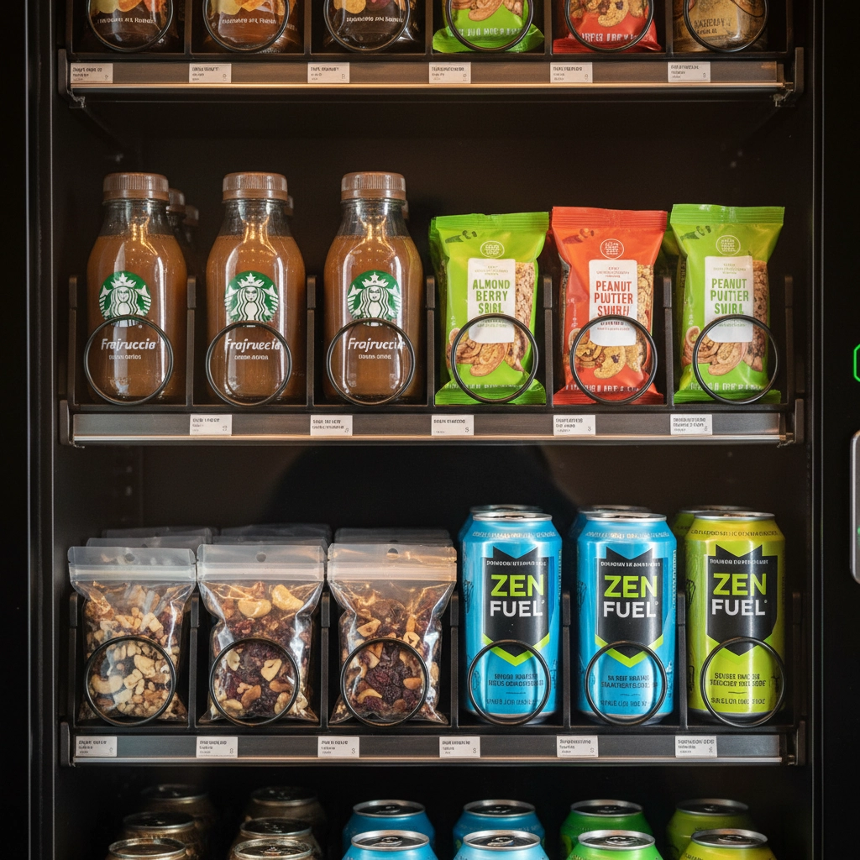
Premium Tier Items ($4.00 – $6.00+)
This is on-trend. This is memorable. This is where profits increase:
La Colombe Draft Latte ($4.50)
Starbucks Cold Brew ($5.25)
High-protein snacks ($4.50)
Keto options
Fresh sandwiches, wraps, and balanced meals
Cold-brew teas and functional drinks ($5.50+)
Premium goods transform your machine from a "snack box" into a mini-café. These items are always the first to sell out in high-demand locations.
Why? Because people love choice and they'll pay for better.
Customer Communication Beats Guesswork Every Time
Most vending operators stock their machines based on:
What Costco had on sale
What they personally like
Or what they assume customers want
This creates a massive blind spot.
Differentiation isn't just about offering unique products: it's about offering the right unique products.
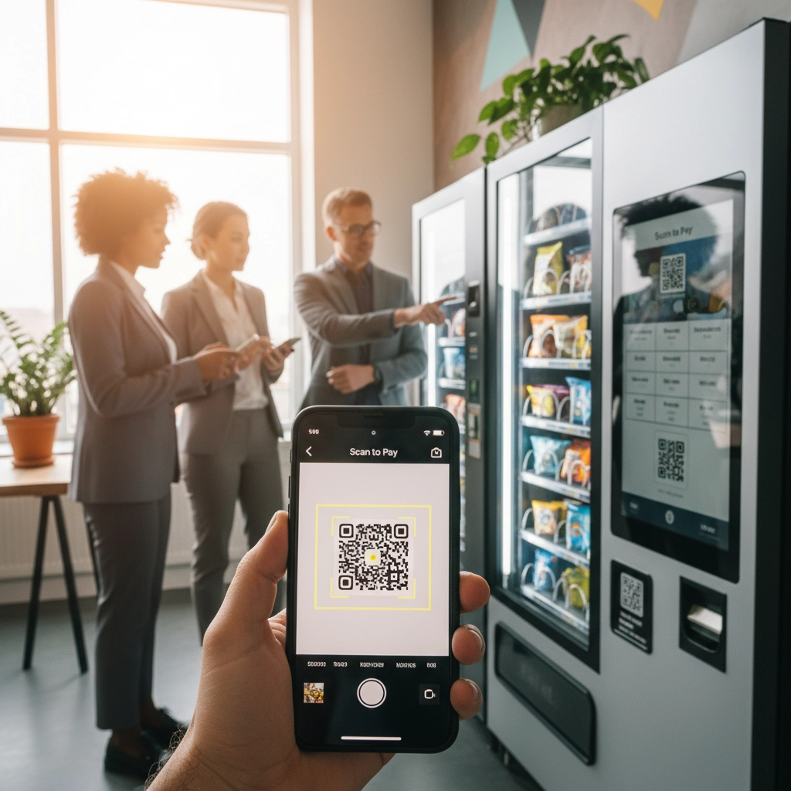
Pura Vida Air's Communication-Driven Approach:
QR code on every machine
Direct feedback surveys
Social media channels people can respond to
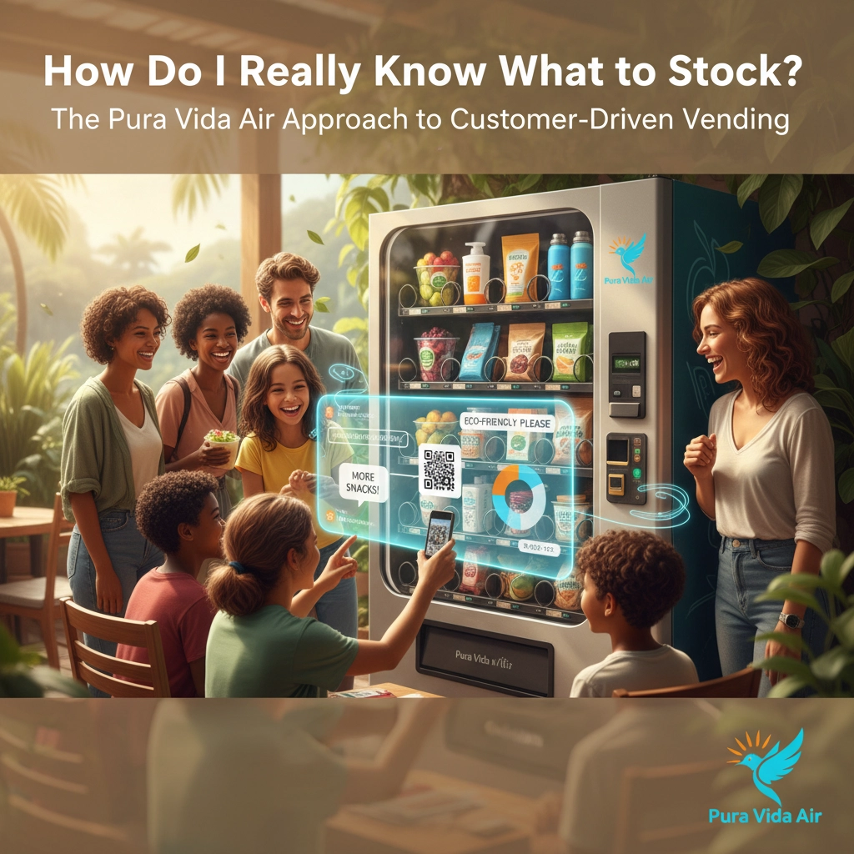
Real-time digital requests ("Can you stock Celsius? Can you add protein snacks?")
Location-specific insights (gym vs. school vs. office vs. hotel)
People feel heard. They feel valued. And they become loyal.
Machines that listen outperform machines that guess. Every. Single. Time.
Here's a real example: One of our office locations kept requesting plant-based protein bars. Instead of guessing which brands might work, we asked directly: "Which specific brands do you want?" The response was immediate: RXBAR Plant and No Cow bars.
Result? Those items now sell out faster than traditional snacks in that location. Higher margins, happier customers, and zero waste from products nobody wanted.
Differentiation Makes You Hard to Replace
When your machine:
Looks different
Stocks better products
Offers premium brands
Rotates seasonal items
Builds trust through communication
Responds fast to new preferences
Feels more like a curated retail space than a vending box
You stop being a "vendor." You become a partner. And the cooler becomes “Their machine”.
Property managers, facility owners, and customers notice the difference.
Differentiation becomes defensibility: your competitive moat.
Think about it, if your machine stocks the same Doritos and Coke as every other machine, what's stopping someone from underbidding your contract by 50 cents per item?
Nothing.
But if your machine is the only place in the building where people can get that cold brew they love, those protein bars that fit their diet, or those unique flavors they can't find anywhere else?
Now you're irreplaceable.
Real Example: The Premium Beverage Ladder
That intentional $3.50 → $4.50 → $5.25 ladder isn't accidental.
It serves three strategic purposes:
1. Anchoring (Psychology)
The higher-priced item makes the mid-tier option feel more affordable → Increasing conversion.
2. Profit Optimization
Margins on premium cold brew and draft lattes are significantly higher.
3. Perceived Quality
Customers associate the machine with higher standards. You're no longer selling "just chips." You're providing convenience and quality.
Here's the math that matters:
Traditional coffee drink: $1.50 cost, $2.00 sale = $0.50 profit (33% margin)
Premium cold brew: $2.25 cost, $5.25 sale = $3.00 profit (57% margin)
One premium sale = six traditional soda sales in terms of profit.
Even if the premium item sells at 1/3 the volume, you're still ahead. And in our experience? Premium items often outsell traditional options in the right locations.
Concrete Benefits of Differentiation
When you build a differentiated machine, three things happen:
✔ Customers Return More Often
They're not just buying snacks: they're visiting their machine. The one that stocks what they actually want.
✔ Items Rotate Faster (Reducing Spoilage)
When products match customer preferences instead of operator assumptions, inventory moves. Less waste = higher profits.
✔ Premium Goods Boost Revenue Without Requiring Additional Foot Traffic
You're earning more from the same customers instead of hoping for more customers.
Differentiation is the one strategy that scales with you, not against you.
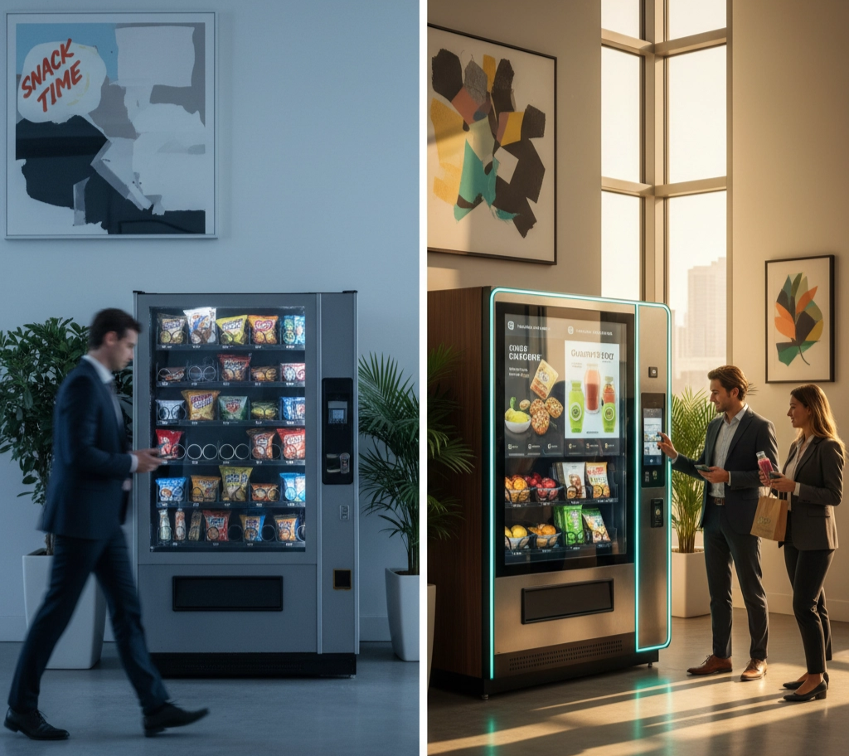
Here's what we've observed across our network:
Machines with 30+ differentiated products see 40% higher revenue per customer
Customer return frequency increases by an average of 43%
Spoilage drops by 84% when products match location demographics
Premium tier items account for 72% of selections
Those aren't just numbers: they're proof that different works.
Don't Be Like Every Other Machine
You're not Costco. You're not a gas station. You're not another dusty vending machine collecting fingerprints.
You're building a brand. A micro-market. A service experience.
Differentiation is how you move from good to great: and from great to unforgettable.
And when you listen to your customers? You don't just become different.
You become irreplaceable.
Ready to break free from the Costco Clone trap? Start small: swap out 3-4 items in your lowest-performing machine with products that match your location's specific demographic. Test. Learn. Adjust.
Your customers (and your profit margins) will thank you.
If you've read this far, you definitely need a snack and a beverage about now :-) Lucky for you, we know exactly how to stock a machine that has what you're craving.