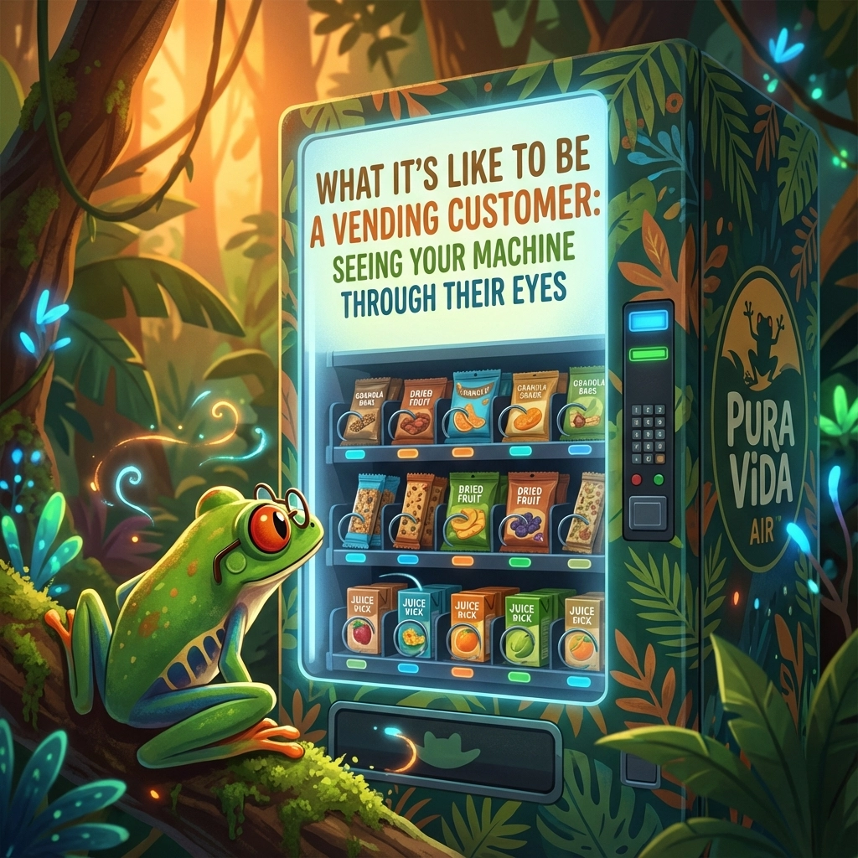
What It's Like to Be a Vending Customer: Seeing Your Machine Through Their Eyes
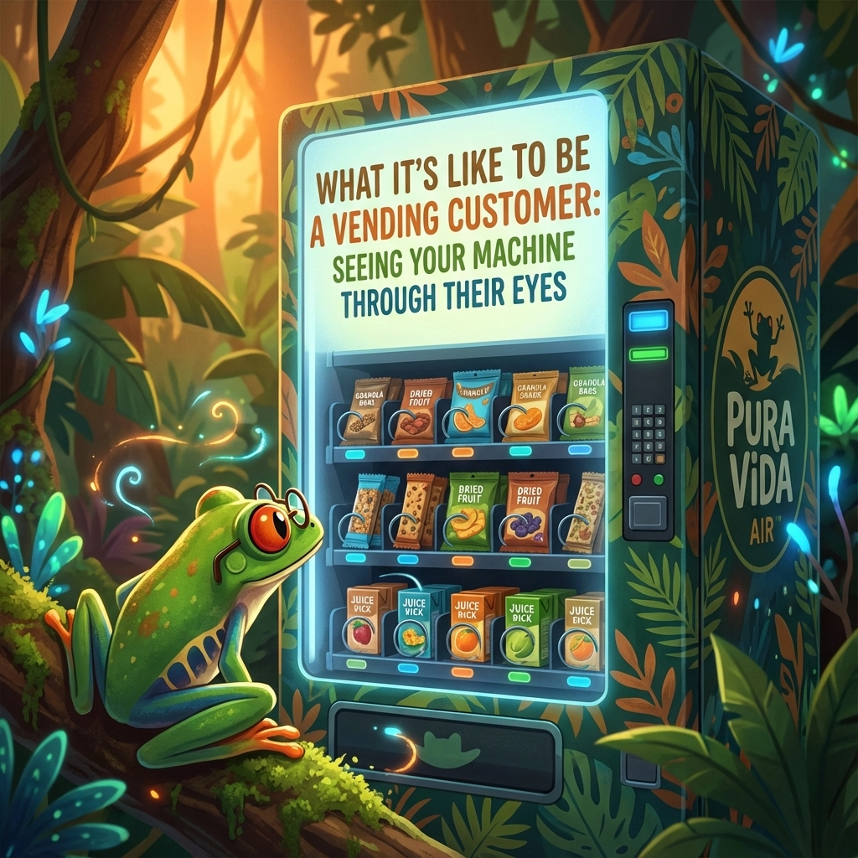
Ever wonder what it's like to be on the other side of that glass?
To be the one walking up to your vending machine with a rumbling stomach, loose change jingling, and that hopeful look in your eyes?
Let's flip the script for a moment. Instead of thinking about profit margins and restocking schedules, let's step into your customer's sneakers and see what they see when they encounter your machine.
The First Glance: Judge, Jury, and Snack Executioner
Your customer approaches. Maybe they're the desperate snack seeker, the one who skipped breakfast, it's 3 PM, and their blood sugar is doing that thing where everything seems slightly tilted. Or maybe they're the thoughtful browser, someone who enjoys the ritual of choosing, who wants options but not so many that decision paralysis kicks in.
Here's the thing: your machine speaks before they even get close enough to read the labels.
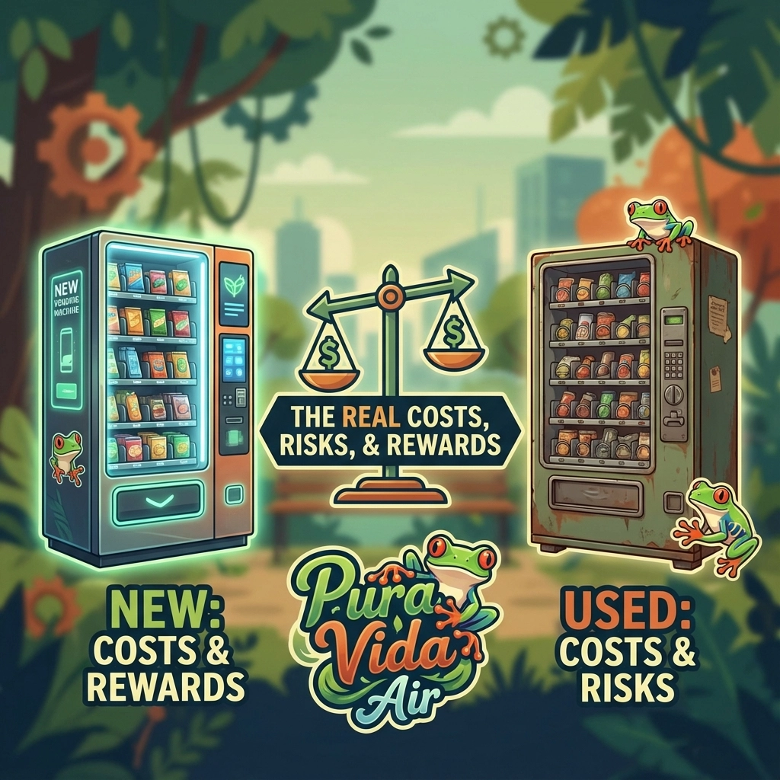
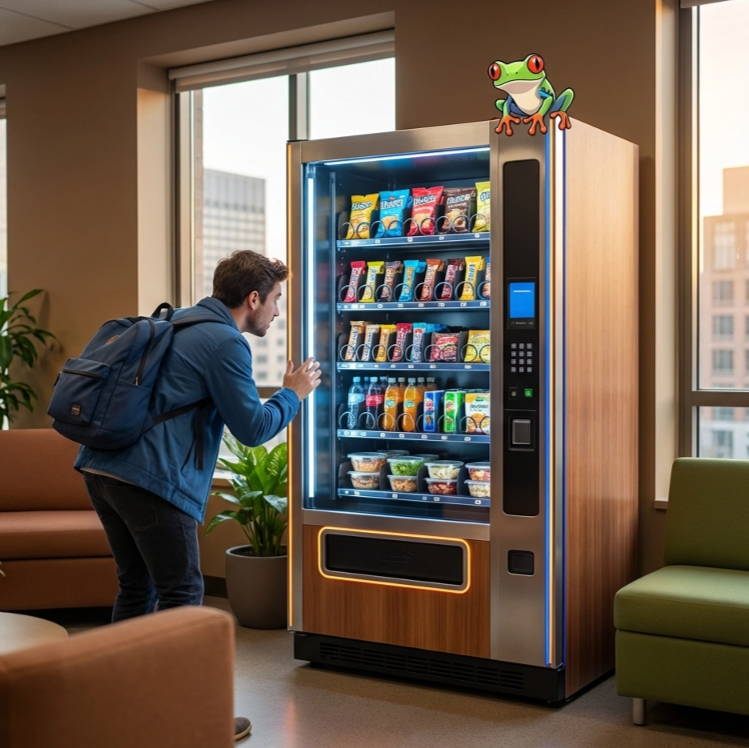
Is it that slightly tired-looking traditional vending machine that's been through a few too many lunch rushes? The kind that makes people think "this better work" before they even insert their dollar? Or is it one of those sleek smart coolers that practically hums with modern efficiency, the kind that makes customers think, "Ooh, what do they have in here?”
The visual first impression sets the entire tone. A well-maintained, well-lit machine with clearly visible products says "I care about your experience." A machine that looks like it's been through a minor apocalypse says "good luck, buddy."
The Dance of Decision-Making
Now comes the beautiful, sometimes agonizing dance of choice. Watch closely, because this is where the magic happens, or doesn't.
The Finger Rubber
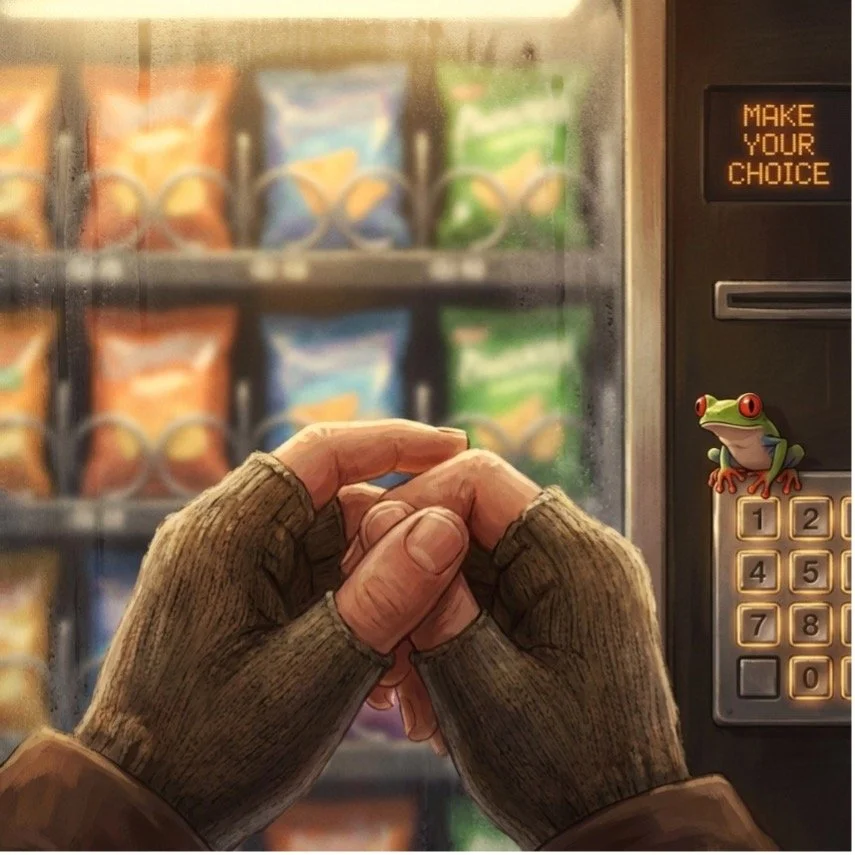
You know this customer. They approach your machine and their hands go straight to that universal gesture of anticipation: rubbing their fingers together while scanning the options. This is someone who's already mentally committed to buying something, they're just figuring out what. These are your golden customers, the ones who've already crossed the psychological purchasing bridge.
The Silent Selector
Then there's the "eeny meeny miney moe" person. They might not say it out loud, but you can practically see their eyes ping-ponging between options. Left to right, top to bottom. This customer wants to make the right choice, not just any choice. They're looking for that perfect intersection of craving and value.
The Reacher Who Walks Away
And then, oh, this one hurts, there's the customer who reaches toward the keypad... and just walks away.
This is where reading the signs becomes crucial. What happened in those final seconds? Was it sticker shock? Analysis paralysis? Did they realize they didn't have their card? Or did your machine just not quite offer what they were hoping for?
Decoding the Customer Signals
Smart vending operators become amateur behavioral psychologists. Here's what those little customer movements really mean:
The Long Pause at the Machine = They want something specific that they're not seeing, OR they're trying to decide if what they want is worth the price.
The Phone Check Mid-Browse = Either they're checking if they have a payment app set up, or they're buying time while deciding. Don't lose them here, this is where having multiple payment options saves the sale.
The Comparison Shopping = When someone looks at your machine, then at the nearby café prices, then back at your machine, you're either about to win big or lose completely based on perceived value.
The Group Consultation = "What do you want?" "I don't know, what do you want?" This is great for impulse sales because peer pressure often leads to multiple purchases.
The Psychology of Snack Attack Impulse Buying
Let's talk about what really makes people reach for their wallets at a vending machine, because it's not always about hunger.
Convenience Beats Perfection
Your customer doesn't need the perfect snack. They need the convenient snack. The one that's here, now, without having to drive anywhere or wait in line behind someone ordering a half-caf, oat milk, extra foam situation.
Freshness Perception
Nothing kills an impulse purchase faster than products that look like they've been there since the early 20’s. Fresh rotation, clean glass, bright lighting, these aren't just operational concerns, they're psychological triggers that say "yes, this is safe to eat."
The Novelty Factor
New items create buzz. Even your regular customers will pause and consider something they haven't seen before. It's not always about stocking the cheapest options: sometimes it's about giving people a small thrill of discovery.
Emotional Comfort
Sometimes people aren't buying a snack: they're buying a tiny moment of comfort. The chocolate bar after a tough meeting. The energy drink before a workout. The familiar brand that reminds them of childhood. Understanding this emotional layer helps you stock with empathy, not just efficiency.
Social Proof
Ever notice how some machines always seem busy while others sit lonely? Customers unconsciously prefer machines that other people use. A well-trafficked machine signals quality and freshness. An isolated machine might make people wonder "what's wrong with this one?"
Designing for Humans, Not Just Sales Volume
Here at Pura Vida Air, we've learned something important: the best vending experience isn't about cramming the maximum number of options into the smallest space. It's about understanding the human being standing in front of that machine.
The overwhelmed office worker doesn't want to scroll through 47 beverage options. They want their usual coffee and maybe something that catches their eye as different-but-not-too-different.
The gym member doesn't want to decode ingredient lists through fingerprinted glass. They want clean energy options clearly displayed with nutrition info visible.
The late-night hospital visitor doesn't want to gamble on whether that sandwich has been there for three hours or three days. They want obvious freshness cues and comfort food that comforts.
The Moment of Truth
Every vending transaction is a tiny moment of trust. Your customer is betting their money against your curation. They're hoping that what they see is what they get, that it'll taste good, that the machine will dispense their selection, and that they'll walk away feeling satisfied rather than ripped off.
When you get it right: when your machine becomes the reliable friend that always has something good available: you're not just selling snacks. You're selling tiny moments of relief in someone's day.
Reading the Room (Or Break Room)
The best vending operators become students of their locations. They notice patterns:
Which items disappear first on stressful workdays
How weather affects beverage choices
Whether certain combinations sell better together
Which price points hit the sweet spot between accessibility and profitability
Your machine isn't just dispensing products: it's responding to the rhythms and needs of the people who visit it.
The truth is, every time someone walks up to your vending machine, they're asking a simple question: "Can you solve my problem right now?" Sometimes that problem is hunger. Sometimes it's thirst. Sometimes it's boredom, stress, celebration, or just the need for something familiar in an unfamiliar place.
The machines that succeed are the ones that consistently answer "yes" in ways that feel effortless, reliable, and even a little delightful. Because in the end, great vending isn't about the machine at all: it's about the human standing in front of it, hoping for exactly what they need, exactly when they need it.
And if you've read this far, you probably need a snack and a beverage about now. Lucky for you, we know just where to find them. 😉